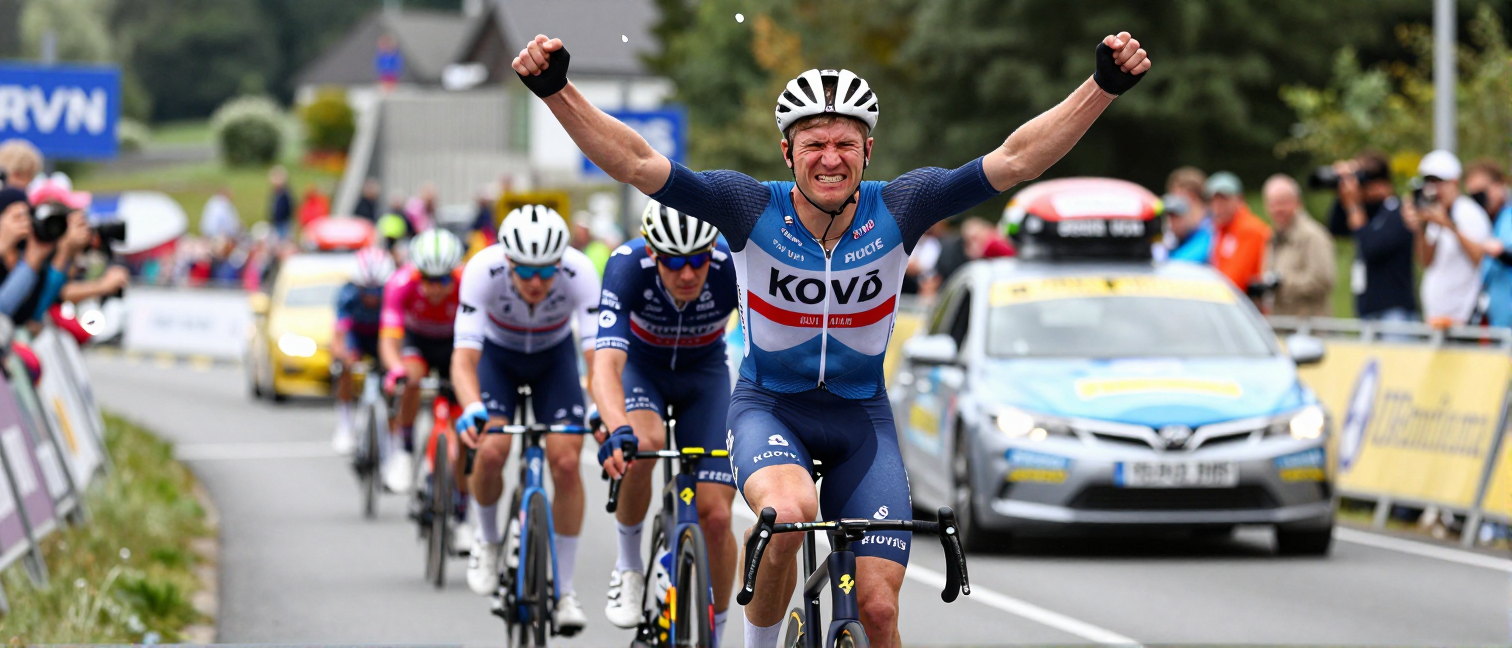
Mark Cavendish’s sprint legacy is being tested as the 2026 Tour de France favors climbers over sprinters. On stage five, 24‑year‑old Olav Kooij claimed the first bunch sprint, highlighting how rare pure sprint finishes have become.
Why are sprint stages disappearing?
Since Christian Prudhomme took over race direction in 2007, the Tour has added unpredictable terrain to keep casual viewers engaged. The result is a schedule packed with mountain‑top finishes and fewer flat days where a sprinter can unleash a top‑speed dash. The shift means riders like Cavendish, who once dominated with 35 stage wins, now face limited opportunities to contest the line.
How does Cavendish’s record compare today?
Cavendish retired at the end of 2024 after amassing a Tour record 35 stage victories, a tally that eclipsed Eddy Merckx’s long‑standing mark. In 2021 he matched Merckx’s 34 wins, then added another stage the following year. Those wins came when the race featured just under 40,000 metres of climbing. By contrast, the 2026 edition climbs 54,450 metres, making flat stages a scarce commodity.
What does the new sprint landscape mean for riders?
Kooij’s triumph on stage five came after he slipped past German sprint rival Max Kanter on the right‑hand barrier. The chaotic finish, with several crashes four kilometres from the line, underscored how volatile the remaining sprint chances have become. Michael Matthews, speaking on the *Roadman* podcast, warned that “pure sprinters are becoming a dying breed.” That sentiment echoes across the peloton, where teams now prioritize versatile riders who can survive climbs and still contest reduced‑speed finishes.
Will Cavendish’s legacy endure?
Even without new wins, Cavendish’s record still looms large. His ability to rack up multiple stage victories in a single Tour—four in 2021, five in 2022, six in 2023—remains unmatched. As the Tour continues to evolve, his benchmark will serve as a yardstick for any future sprinter daring enough to challenge the mountains‑heavy format. The question now is whether the race will ever revert to a sprint‑friendly layout that lets a rider chase another 35‑stage haul.
What’s next for the Tour’s sprinters?
The next flat stage is slated for later in the third week, but organizers have hinted at more uphill finishes. Teams are already scouting for riders who can survive the climbs and still unleash a fast finish. For Cavendish, the focus shifts to cementing his place in history rather than adding to his tally. His record stands as a reminder that the Tour once celebrated pure speed, even as the race moves toward relentless elevation.